The Allure of Casinos: Understanding the Attraction
Casinos have long held a magnetic charm for individuals seeking excitement and the thrill of chance. The brightly lit floors, the sound of rattling chips, and the palpable energy create an ambiance that is hard to resist. For many, stepping into a casino feels like entering another world, filled with endless possibilities of winning large sums of money, especially at a fast payout online casino where rewards might come quicker than expected. This allure often overshadows the inherent risks involved, leading players to overlook the potential for significant losses. The promise of a jackpot can blind players to the reality that the odds are typically not in their favor.
Moreover, the psychological aspects of gambling play a crucial role in attracting individuals to casinos. The phenomenon known as the ‘gambler’s fallacy’ underscores a common belief that past losses will influence future wins. This notion can lead gamblers to continue playing despite a streak of bad luck, convinced that their fortunes will turn around. Psychological manipulation is an effective strategy for casinos, as they often design games and environments that enhance these cognitive biases, creating a perfect storm for increased gambling activity.
In addition, the social aspect of gambling cannot be underestimated. For many, a trip to the casino is as much about the experience as it is about the betting. It offers an opportunity to socialize with friends or meet new people. This social component can create an environment that encourages longer play times and increased spending. However, while the camaraderie and excitement can amplify the enjoyment of the experience, it can also lead to the neglect of responsible gambling practices. As players become engrossed in the social dynamics, they may lose sight of their financial limitations.
The Reality of Casino Losses: What to Expect
Upon entering a casino, many players entertain dreams of hitting the jackpot and walking away with a life-changing amount of money. However, the reality is that the vast majority of players will experience losses over time. Statistically, casinos are designed in a way that ensures the house always has an edge. Various games, from slots to table games, include rules and payouts that favor the casino. Understanding the odds and the house edge is vital for anyone considering stepping into a casino. These elements are meticulously calculated to ensure profitability for the establishment over the long run.
Research has shown that a significant percentage of gamblers will not only lose their initial investment but may also continue to gamble in hopes of recouping those losses. This cycle often leads to a deeper financial hole. Many players report feelings of regret and disappointment after experiencing substantial losses, yet the desire to win can often blind them to the harsh realities of gambling. Recognizing this pattern is crucial for maintaining control over gambling behaviors. The notion of ‘chasing losses’ can transform a fun activity into a dangerous addiction, leading to severe consequences.
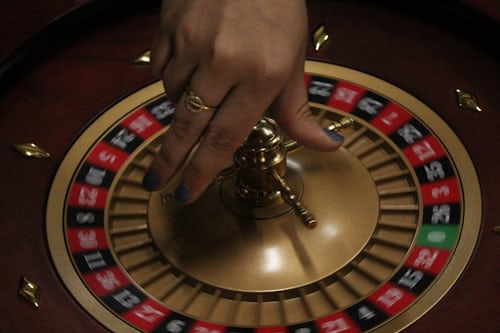
A common misconception is that skill-based games, such as poker, provide an avenue for players to outsmart the house. While skill certainly plays a role, the variance in outcomes can lead to both wins and losses. Even the most skilled players can endure prolonged losing streaks, as luck remains a fundamental factor in these games. Understanding that losses are an intrinsic part of the gambling experience can help players set realistic expectations and adopt a more responsible approach. Realizing that no amount of skill can eliminate the risk of loss is essential for a healthier gaming mindset.
The Impact of Emotions on Gambling Decisions
Emotions often govern decisions at the casino, leading to impulsive choices that can exacerbate losses. Players frequently chase losses, thinking that placing larger bets or continuing to play will ultimately yield a return on their investment. This behavior is rooted in the emotional highs and lows experienced during gambling sessions. Winning can induce feelings of euphoria, while losing can lead to frustration and desperation. These emotional responses can cloud judgment, resulting in further losses and the inability to walk away from the game. Players may find themselves in a cycle of emotional gambling, which can lead to long-term detrimental effects.
Additionally, the atmosphere of a casino is carefully crafted to heighten emotions. The sounds of cheering, ringing slot machines, and celebratory gestures create a stimulating environment that can lead players to feel invincible. This sensory overload can impair rational thinking and encourage players to gamble more than they planned. Understanding how the casino environment influences emotional responses can empower players to make more informed decisions and resist the urge to gamble impulsively. Recognizing the impact of a lively casino atmosphere is crucial for maintaining self-control.
Furthermore, establishing a clear gambling budget before entering a casino is a critical practice for managing emotions. By setting limits and adhering to them, players can enjoy the experience without falling victim to emotional decision-making. This proactive strategy allows for a healthier relationship with gambling, reducing the risk of chasing losses and mitigating potential financial damage. Awareness of the emotional impacts of gambling can pave the way for more responsible behaviors and a more positive gaming experience overall. Staying grounded amid the excitement is essential for long-term enjoyment.
Strategies for Minimizing Casino Losses
To navigate the gambling landscape with greater success, players must adopt strategies designed to minimize losses. One effective technique is setting strict budgets for gaming sessions. By deciding ahead of time how much money to risk, players can manage their funds and avoid the temptation to bet more than they can afford. This self-imposed limit not only protects finances but also helps maintain a clear mind during gaming, reducing the likelihood of emotional decisions. Being disciplined about spending is crucial in maintaining control over gambling habits.

Another strategy involves selecting games with better odds. Understanding the difference in house edges among various games can significantly impact a player’s overall experience. For instance, table games like blackjack can offer better odds for knowledgeable players compared to many slot machines. Conducting thorough research and familiarizing oneself with the rules can empower individuals to make strategic choices that align with their goals of minimizing losses. Players should also be aware of the volatility of different games, as this can affect both the potential for winnings and the risk of losses.
Finally, players should consider utilizing self-control tools offered by many casinos. Features such as deposit limits, time-out periods, and self-exclusion options can help individuals manage their gambling habits. These resources provide valuable support for maintaining responsible gaming practices, enabling players to enjoy the thrill of the casino while safeguarding their finances. Balancing enjoyment with caution is essential in ensuring that gambling remains a fun activity rather than a detrimental one. Implementing these strategies can lead to a more enjoyable and sustainable gaming experience.
Conclusion: Gambling Responsibly in the Digital Age
The rise of online gaming platforms has heightened the accessibility of gambling, making it essential for players to approach their gaming experiences with increased caution. With just a few clicks, individuals can find themselves immersed in a world of betting excitement, yet this convenience comes with its own set of challenges. Understanding the truths about casino losses and the importance of responsible gambling is crucial in this digital landscape. Players must be more vigilant than ever about their gambling habits, considering the ease with which one can lose track of time and money online.
As players navigate through the ever-evolving world of gambling, prioritizing education about games, odds, and personal limits can fortify their approach to gaming. Emphasizing responsible practices not only enhances the enjoyment of gambling but also reduces the risk of significant losses. Players should always remember to gamble for entertainment rather than as a source of income, maintaining a balanced perspective that prioritizes fun over financial gain. This mindset shift can lead to a healthier relationship with gambling.
Ultimately, the key to enjoying a casino experience lies in the quality of informed choices. Regardless of whether one is engaging in physical casinos or online platforms, understanding the inherent risks and establishing clear limits can unlock a more rewarding gambling journey. With awareness and responsibility at the forefront, enthusiasts can embrace the thrill of the casino while safeguarding their financial well-being. By fostering a culture of responsible gambling, both players and casinos can create a more sustainable gaming environment.